Blog

  • Know the Difference: Artificial Turf vs Hardscaping

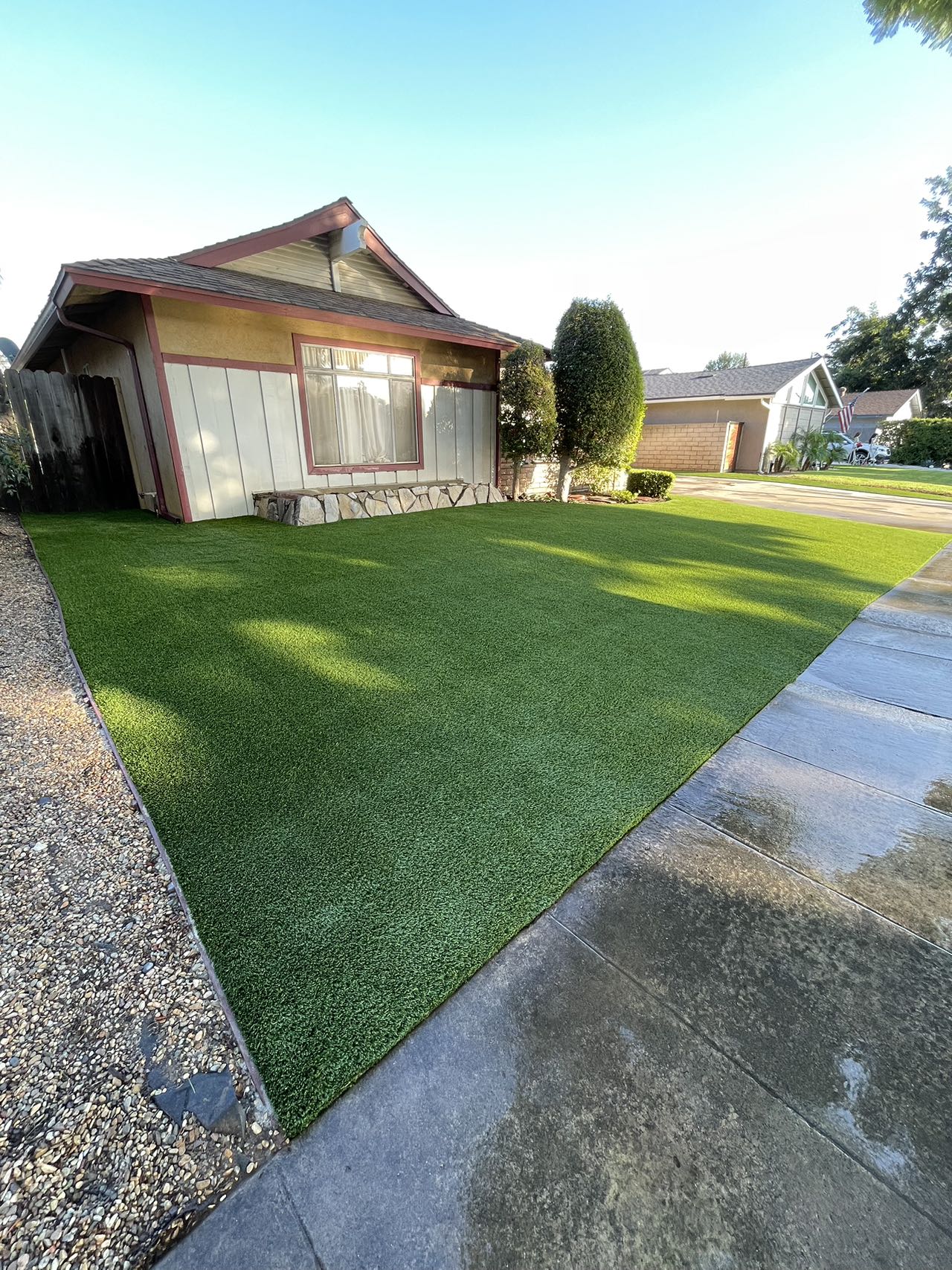
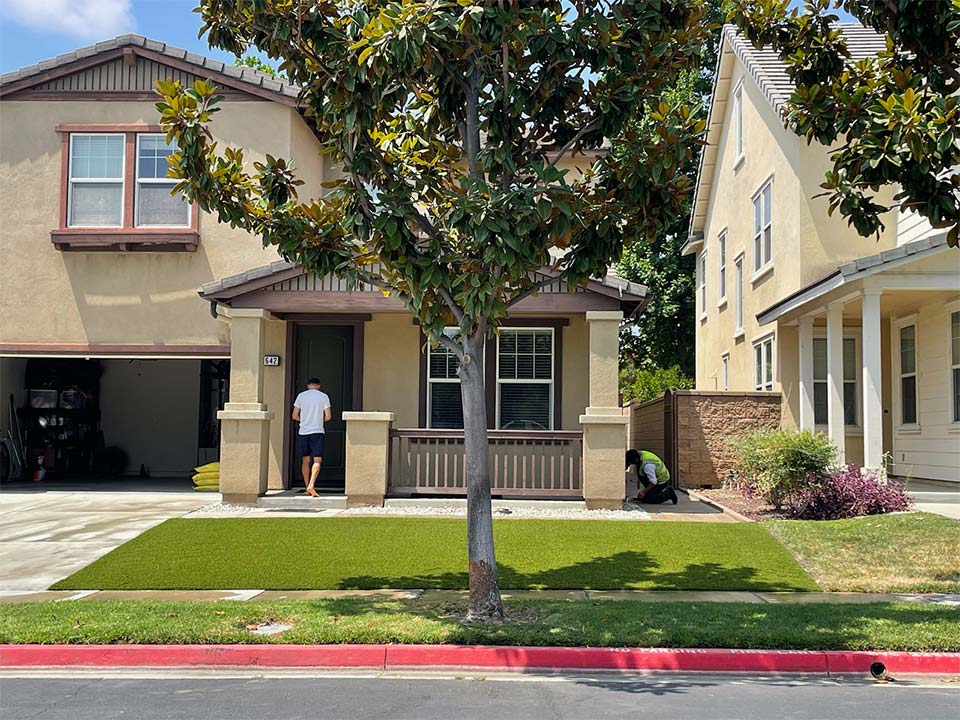
     Vegas residents face an important decision! They need to decide whether to switch to artificial turf or hardscaping.

    Of course, these aren’t your only options, but does anyone really want to consider the alternatives? 

    Sure, you could try to keep your natural lawn. But Southern Nevada Water Authority’s (SNWA) water restrictions have made maintaining natural grass almost unaffordable. And all the water in the world still can’t guarantee it won’t wilt in the summertime!

    You could also just tear up your grass and keep a little patch of dirt. Unfortunately, the real estate market doesn’t take kindly to dirt, which sinks curb appeal. So turf and hardscaping are really your two best options. 

    Now, there are benefits to both, but only one solution offers a functional space for recreation and relaxation.

  • Understanding Artificial Grass Technology

     How do you find the best possible artificial grass for your project? The answer is simple: do your research! That’s why we created an artificial grass technology cheat sheet, just for you! Learn all about essential features, application-specific technology, and what to avoid.

    But before we begin, it’s important that you have an understanding of your project goals. Important considerations like kids, pets, and foot traffic determine the best artificial grass technology option for you. That’s because different features are specifically built for certain applications. For example, do you want a yard to increase curb appeal or one built to handle pick-up soccer games?

    So, without further ado, we invite you to discover the amazing world of artificial grass technology!

    Below are key features of artificial grass that can help determine the right product for your project!

    Blade Shapes

    There’s a lot more to artificial grass blades than meets the eye! A blade’s shape and material consistency affects how it looks, feels, and holds up to foot traffic. Here are seven essential blade shapes that every prospective buyer should know about! 

    Just as important as blade shape is the quality of the yarn itself! Yarn is an industry term to describe the material used to create the blades. The most common materials for yarn are nylon, polyethylene, and polypropylene, with polyethylene being the most widely used. However, it’s important to know that there are actually several different grades of polyethylene, including C2, C4, C6, and C8. The number indicates the number of carbon molecules in the polymer. Most artificial turf on the market is made from low-grade C2 and polyethylene, but at Turf Distributors, we only use C4 and above, plus most products feature C8 Durablade technology.

    Backings

    Artificial turf backings bind blades together and allow moisture to escape into the ground below. Quality backings create more comfortable living environments by quickly whisking away water. Below are the different types of backings we offer!

    The tiny fiber strands woven into artificial grass are known as thatching. They are small, thin, and typically gold in color. They are designed to look like the thin layer of grass blades that are at the base of a real lawn. This little touch goes a long way toward creating a more realistic product. It also adds visual interest and helps to deflect heat. 

    Infill is the gritty, sand-like material that you brush into artificial turf that helps keep turf from flattening and matting over time.

    Slit filament blades are made to endure heavy use without ripping or falling out. They feature a webbed design which increases durability and acts as a barrier against infill migration, minimizing maintenance costs.

    Monofilament blades accurately recreate the appearance of living grass. They can be mixed with slit filament blades to create tough, natural-looking sports turf.

  • Traffic Roundabout and Verges

     Now another place where our grass can be used is traffic roundabouts and verges. Although many of you won’t specifically be creating these, let us tell you why we believe the change from real lawn to fake grass is beneficial here. Not only does this reduce water consumption as it does not require watering, but it also stops the need to use unnecessary fuels for mowing and maintenance. 

    So it’s clear artificial grass can be used in many places, we have a huge array of grass to choose from too! From glow in the dark, to vibrant colours, to natural realistic lawn, we have a type to suit everyone and their needs. Why not have a look at our vast range and begin a transformation today?

  • Swimming Pool Surround

     Whether it’s a below or above ground pool, artificial grass will be a perfect companion. It will provide a dry place where no mud will go into the pool and a soft texture to be able to walk over barefoot.  Our fake turf has drainage holes so any water from splashes will quickly drain through. You’ll be able to relax and enjoy your pool without having any concerns about whether your grass will suffer. For an inflatable pool, artificial lawn will not discolour or die like a natural lawn would. 

  • Best Ways to Clean Artificial Grass

     How often should you clean fake grass?

    The beauty of fake grass is that it needs so little maintenance to keep it in good shape. When you consider that it can last for up to 15 years without losing its colour and texture, with no watering and no mowing, it can seem too good to be true. However, there are some tasks that should be carried out to maintain that longevity.

    Keeping it clear of debris, such as leaves and twigs, is an important job, particularly in the autumn. This can be done quite simply with a brush (if you want to exercise) or a leaf blower. A stiff brush every now and then will also lift the pile after heavy use and keep it looking its best for longer.

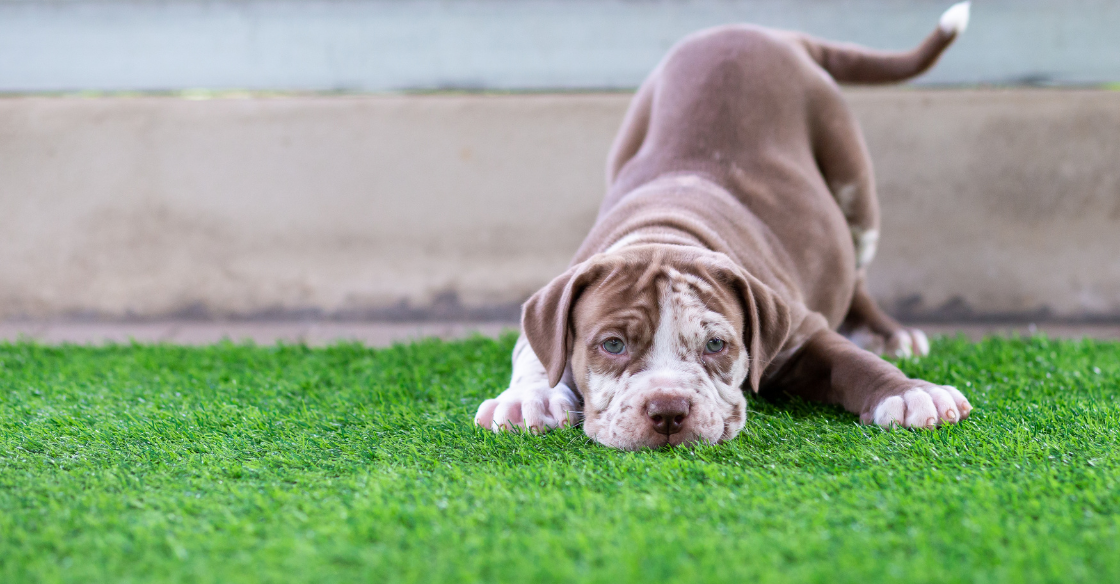
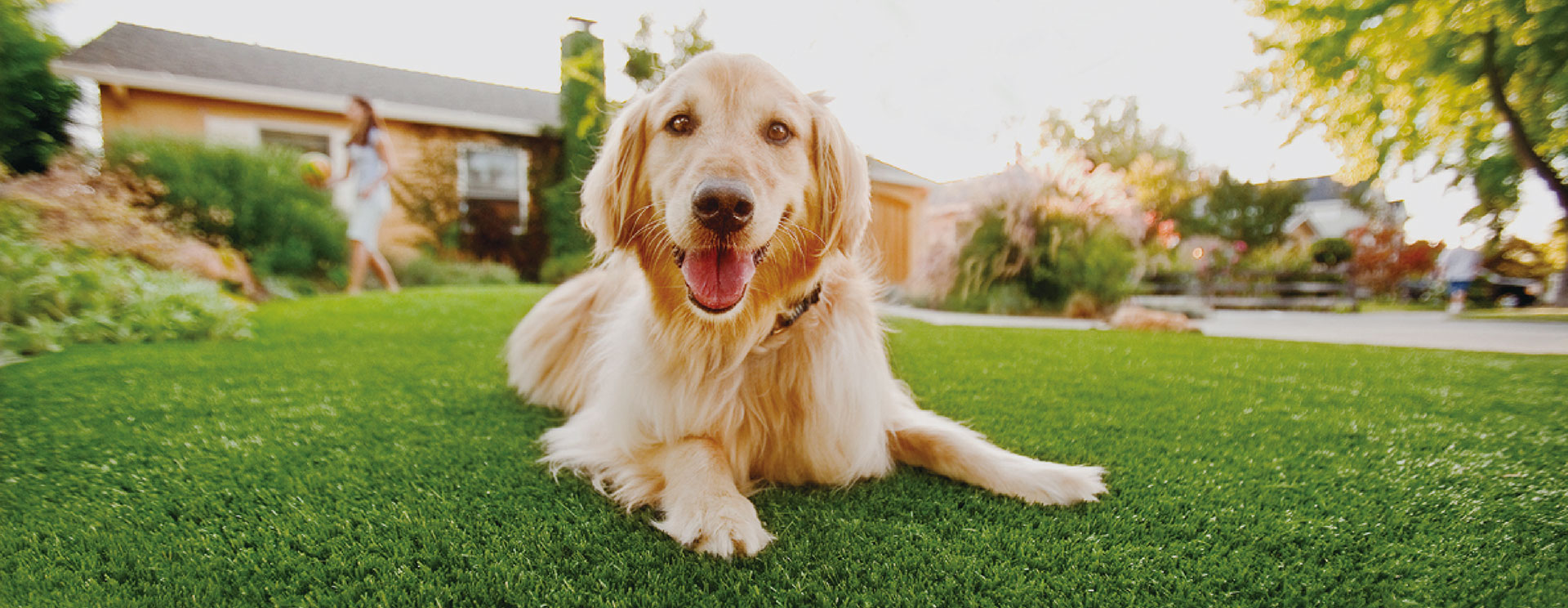
    Fake grass for dogs and other pets requires no more additional attention than natural grass. If you have a dog, you will want to  wash itdown as and when required Poos can be picked up in the same way as you would when out walking your dog. With real grass, dog pee can cause the grass to turn an unsightly brown or yellow. A regular hosing down will help drainage and drain the urine from the surface of the lawn into the sub-base and the soil below.

    Can you clean artificial grass with washing-up liquid?

    It is best to avoid using any harsh chemicals or bleach when cleaning fake grass but some purpose made grass cleaners and dilute jeyes fluid can be used.  That being said we tend to find the best approach is always to get the hose out and use a brush to break up and rinse away any spillages or mess.

    Can you pressure-wash fake grass?

    We suggest avoiding the use of high-pressure washers to clean fake grass. In the same way that you should not use a vacuum cleaner, the pressure (either through suction or outward pressure) will disturb the infill sand. If no infill sand was used then pressure washing or even a vacuum can be used.

    Brushing with a stiff-bristled brush will always be the best solution, with a gentle spray from a garden hose if there are more persistent spillages to contend with.

    Can you make fake grass look like new?

    A good artificial lawn supplier will fit your fake lawn with a minimum 10-year guarantee so that durability and resistance to wear and tear is built into the product quality. A good quality lawn will contain synthetic fibres that are resistant to UV sun rays, so it will not discolour in any way, no matter how harsh and hot the summers are. With simple, regular maintenance, your fake grass will look new all the time.  

  • Why Synthetic Grass is the Ultimate Solution for Low-Maintenance Landscaping


    Here are just a few reasons why synthetic grass is the ultimate solution for low-maintenance landscaping:

    1. No Watering Required

    One of the biggest advantages of synthetic grass is that it doesn’t require any watering. This means that you won’t need to spend hours each week watering your lawn or
    worrying about drought conditions. Instead, your lawn will always look green and healthy, no matter how dry the weather gets.

    2. No Mowing or Trimming Needed

    Synthetic grass also eliminates the need for mowing and trimming. This means that you won’t need to invest in expensive lawnmowers or spend your weekends cutting the grass. With synthetic turf, you can simply enjoy your lawn without worrying about the upkeep. You can learn more on our blog about how easy it is to clean artificial turf.

    3. No Fertilizer or Pesticides Required

    Another advantage of synthetic grass is that it doesn’t require any fertilizer or pesticides. This means that you won’t need to spend money on expensive lawn treatments or worry about the harmful effects of chemicals on your family and pets. Synthetic grass is also an eco-friendly option, as it doesn’t contribute to the pollution caused by gas-powered lawnmowers or the chemicals used in traditional lawn care.

    4. Durability and Longevity

    Synthetic turf is incredibly durable and long-lasting, making it a wise investment for homeowners who want a beautiful lawn that will last for years to come. Unlike natural
    grass, which can become damaged or die off over time, synthetic turf will maintain its vibrant green color and lush appearance for years, even with heavy foot traffic and intense weather conditions.

    5. Low-Cost and High-Value

    While synthetic grass may require an initial investment, it pays off in the long run with its low cost and high value. This is why more and more homeowners are making the switch because it doesn’t require any maintenance or upkeep, synthetic turf can save homeowners hundreds or even thousands of dollars each year in lawn care costs. And with its beautiful appearance and long-lasting durability, synthetic grass adds value to your property and enhances your home’s curb appeal.

  • Upcycling Artificial Lawn Offcuts

     Not only does repurposing synthetic lawn offcuts allow you to get more for your money, but it also helps minimise wastage. Consequently, the environmental impact is improved, which can be a concern associated with artificial grass. Making the most of your synthetic lawn offcuts provides you with all manner of benefits, and some of our favourite upcycling ideas are detailed below.

    Artificial Grass Wall

    First up is an artificial grass wall, which can create a feature wall within your garden. While outdoor feature walls often consist of flowers and other living things, this requires much maintenance. It’s likely you’ve purchased an artificial lawn in the first place to eliminate garden maintenance from your life. Therefore, introducing more elements to maintain in your outdoor space just doesn’t make sense. That said, you don’t have to sacrifice the aesthetic of your garden.

    Instead of opting for flowers and other plant life to decorate your garden, you could go for the synthetic approach. From artificial grass to synthetic flowers, there are ways to embellish your outdoor space without copious amounts of maintenance work. An artificial grass wall is just one of the many ways of achieving this.

    Grass Pet Pads

    Next up are grass pet pads, which provide your furry friend with their very own outdoor space to lounge upon. While artificial lawns are extremely buoyant, and it takes considerable wear to flatten the fibres, some people aren’t too keen about giving their pets free reign on their brand-new lawns. This is especially true of those creatures of habit who pick one lounging spot and return to it for as many as 15 years. As a result, you might introduce your pet to a separate pad from the get-go, so they familiarise themselves with this instead of your lawn.

    Outdoor Table Runner

    During the warmer months, there’s nothing better than getting together for a barbecue to enjoy some al fresco dining. This is especially true if you’ve invested a lot of time and money into a brand-new artificial lawn. After all, you’re going to want to make ample use of your renovated space.

    Despite this, in the midst of an extensive garden renovation, you might find your garden furniture has suffered. We’re all guilty of leaving our garden furniture outside during the winter months, allowing it to fall victim to the elements. Thankfully, you can use your lawn offcuts to give your outdoor furniture a bit of a refresh. This includes creating a runner for your outdoor table.

    Outdoor Cushions

    Following on from the idea of garden furniture being neglected during the winter months, outdoor cushions help play into this refresh. Moreover, they reduce the likelihood of future damage being inflicted on your outdoor furniture. This is because traditional upholstery will obviously incur water damage and get dirty when placed outside. On the other hand, artificial grass is specially designed for outdoor applications. As a result, with synthetic lawn offcuts, you’ll be able to create some of the most durable outdoor cushions on the market.

    House Number Sign

    Perhaps your house lacks a clear door number, or you’d like to spruce up the one you’ve got. If so, artificial grass offcuts can work wonders. By fixing an offcut to a box or board and screwing in your numbers, you’ll have a house number sign that will be the envy of the neighbours.

  • PSV and TenCate Grass extend innovation partnership

     PSV and TenCate Grass have been working closely together to further develop and optimize the training fields at PSV Campus De Herdgang. We are pleased to announce that partnership is now extended until 2026.

    The input and research provided by TenCate Grass is valuable for the quality of the pitches on which the players of the PSV Academy ultimately play and train. We as TenCate Grass are given the latitude to experiment and innovate as part of the ‘Fieldlab’, which provides detailed insights into the footballers’ data. Allowing us to further improve our understanding of the player and drive our next generation of turf.

    Direct feedback from players

    “Of course, we want to extend our partnership with PSV”, Michael Vogel, CEO of TenCate Grass, says. “The Fieldlab on PSV Campus De Herdgang has become an ‘institute’ and the opportunity PSV is giving us by allowing us to test new developments in practice is incredibly valuable. We learn most from the direct feedback of players and staff. This ultimately enables us to develop new, innovate, high-quality turf, which positively impacts the performance of the players. Hence, we are looking forward to a long-term partnership with PSV.”

    Innovation

    Frans Janssen, Commercial Director of PSV, is just as enthusiastic about the prolonged partnership: “We are pleased to extend our partnership with TenCate Grass, because it is a perfect example of how we jointly implement innovative ideas at the PSV Campus. The input and feedback provided by our players and staff give TenCate Grass the opportunity to test new developments in a real-life environment.”

  • How to Avoid Seam Lines

    Seam work is the most important part of artificial grass installation! Getting the seams just right means the difference between a natural-looking lawn and a green plastic mess.

    Here are five steps to get perfect seams every time!

    1. Give Your Turf Time to Expand

    Sunlight makes artificial grass expand. We recommend letting your turf sit in the sun for 30 minutes to an hour to expand before you begin laying it to fit your yard.

    Not giving your turf proper time to expand may result in an awkward and frustrating installation.

    2. Make Sure Rolls Are Facing the Same Direction

    Before laying your turf and securing the seams, make sure all of your rolls are oriented with the blades and stitch patterns facing the same direction! This will result in a more natural-looking appearance. 

    Laying your turf with the blades facing different directions will result in a fake-looking lawn.

    3. Have Extra Turf to Work With

    When it comes to edging, you’ll want some excess material to work with. Leave a quarter to half an inch of artificial turf over your borders for finishing touches.

    4. Lay Your Seam Tape and Glue Your Turf

    You want to place your seam tape under the centerline of your seam. Then make an “S” pattern with your glue over the seam tape. Spread the glue to make sure it’s evenly distributed on both sides of the red line. Finally, move the turf into place.

    5. Let Your Glue Set

    You can lay infill bags along the seam to reinforce contact with the seam tape. Let your glue set for fifteen minutes. 

  • Environmental Benefits

     Cheap artificial turf is an environmentally friendly choice that can positively impact the ecosystem. By replacing natural grass with synthetic alternatives, water consumption is dramatically reduced, contributing to water conservation efforts, especially in regions prone to droughts. Furthermore, artificial turf eliminates the need for harmful pesticides and fertilizers, preventing harmful chemicals from entering the soil and waterways.