Blog

  • What Artificial Grass is Best

     Artificial grass was developed in the early 1960s and came on the market in 1964, with its first application being a youth playground. Soon after, it gained enormous popularity when it was installed in a monstrous, indoor baseball stadium in Houston; Texas called the Astrodome. Within a few short years, fake turf was being installed on football and soccer fields worldwide.

    Deciding on which artificial grass is the “best” really depends on personal choice. Some other factors to consider are price, pile height, color, size of the piece, drainage capability, and more. Any number of brands are available at retail centers as well as online stores, and each one will make a “pitch” to appeal to your taste and budget. No matter, all synthetic sod is made of plastic but here are three types:

    1. Nylon, a tough yet lightweight synthetic polymer. It has the stiffest pile of the different kinds of fake turf and is famous for its ability to withstand being stretched or exposed to environmental extremes. The drawbacks? It has a coarse texture and may not have the same appearance as natural grass and is expensive.
    2. Thanks to its life-like appearance, Polyethylene is a favorite choice for installing artificial grass in an area where natural grass once grew. Its blades are softer, look more natural, and are a deeper green. It also holds up well to the weather and regular use.
    3. Polypropylene is the least durable and expensive of three types of artificial grass. It has a fine texture but is not made for high traffic areas or constant use. Though it may be an attractive option if you are on a budget, also keep in mind it may need to be replaced faster or more often than synthetic turf made from nylon or polyethylene.

    Some of the top brands in the United Kingdom are:

    • Tuda Luxury 30mm
    • Berlin 26mm
    • Namgrass Elise 27mm
    • Banbury Heavy Density 30mm
    • Now Garden 30mm
    • Parkgate 37mm Artificial
    • Namgrass Eclipse 25mm
    • Buzz Grass Mat
    • Prestige Artificial Grass
    • Casa Pura Artificial Grass

    In the United States, consumers flock to a variety of top brands, including:

    • Pet Zen Premium Turf
    • custom rug Outdoor Turf
    • FieldTurf
    • ForeverLawn®
    • SmartGrass®
    • Global Syn-Turf
    • Jade
    • Everlast
  • When to Lay Artificial Grass

     If you have decided that your project – an outdoor deck, play area, or a backyard in dire need of something new – requires artificial grass, the best time to lay it is when the weather will allow. Laying artificial grass during fall or winter is not advisable, as the plastic could freeze or crack in extreme conditions. Nor can it be installed during heavy rain or wind. Beyond that, there are some things to consider:

    1. Convenience. Like so many other things in your life, home improvement projects – including landscaping – are often done when it is most convenient. This could mean a certain time of the year when you have more time, or when you simply feel like installing artificial grass.
    2. Timing the installation to avoid naturally occurring events, such as later in the year when leaves begin to fall, or a rainy “season” depending on where you live. If you have had problems with natural grass not growing and anticipate that happening again – then that is another good time to install a synthetic alternative.
    3. Money is perhaps the most important factor. Artificial grass costs about as much to install and care for a natural turf when you amortize it over six or seven years, but you still need the funds. You will have to buy the fake turf, as well as supplies and tools like sand, rakes, adhesive, and others necessary to do the job correctly. Is there a time of the year when you expect to have extra money on tap?
  • why you should stick to the pros instead of attempting a DIY artificial turf project

     Here are five reasons why you should stick to the pros instead of attempting a DIY artificial turf project: 

    1. A professional can advise you on the best blade types, material, and turf brand for your yard. 
    2. Installing the turf yourself may lead to costly mistakes, such as drainage problems. You risk spending more money in the long run if you install the turf yourself. 
    3. Artificial turf is expensive. It’s wise to have a professional install such a valuable investment so that you reap the rewards down the line. 
    4. If the turf is not properly installed, pets have an easier chance of destroying it. 
    5. Installing the turf yourself means you won’t have a warranty. 
  • DIY Artificial Turf Installation

     If you’re interested in saving a buck or two, you might attempt to install your new turf yourself. But installing artificial turf isn’t as easy as rolling a carpet out. It’s best to leave the installation process to trained professionals. 

    Artificial turf installation is physically taxing. What can take the pros a few days to install might take you weeks. 

    The process of installing artificial turf involves:

    • Taking precise measurements.
    • Removing the original surface.
    • Applying multiple layers of materials.
    • Compacting the ground.
    • Sloping. 

    First, you’ll need to remove and dispose of any material that makes up your surface. That might be natural grass or even a patch of gravel. Once the land is bare, you’ll need to slope the ground to ensure proper drainage. 

    Next, you would compact the ground, apply the base material that holds the artificial turf steady, compact the ground again, and then secure a geotextile weed suppressor. 

    Finally, you would apply the turf, trim the edges, nail it down, and then add the infill material that weighs down the turf and supports the blades. 

  • Even though synthetic turf is made of plastic

     Even though synthetic turf is made of plastic, it’s usually not recyclable. After 10 to 25 years, the turf will take up space in a landfill. 

    ✗ It gets hot

    Artificial turf can get hot in the sun, making it uncomfortable to walk on. Even athletes have a difficult time withstanding the heat radiating off the turf’s surface. 

    ✗ It’s a breeding ground for bacteria

    If you do not sanitize synthetic turf, it can host bacteria. 

    ✗ Harmful runoff

    Artificial turf has toxic elements that enter the waterways through runoff. There are also concerns that artificial turf may be harmful to people. 

    ✗ Produces waste in the manufacturing process

    Before your fake grass becomes your new lawn, it has to go through an entire manufacturing process that involves waste and carbon emissions. 

    ✗ Rougher than real grass

    Artificial grass can feel stiff, though some blade shapes and turf materials are softer than others. 

    ✗ Impacts the soil’s ecosystem

    When artificial grass is installed, the soil layer underneath will no longer retain its stellar ecosystem. 

    ✗ It does not absorb carbon dioxide

    The earth needs plants to absorb the carbon dioxide polluting the air. A natural lawn will absorb carbon dioxide, while an artificial lawn will not.

  • Artificial Turf Pros and Cons

     Synthetic turf is an investment. Before spending your green for green that lasts all year round, consider whether artificial turf is right for you and your yard. 

    Do your research on synthetic turf and have your questions answered by a professional. There’s a lot to learn about fake grass before installing it in your yard. For instance, artificial turf may save gallons of water, but whether it’s more eco-friendly than real grass is an ongoing debate. 

    Let’s take a look at artificial turf’s pros and cons: 

    Pros:

    ✓ It saves water

    Sod needs frequent watering to flourish and survive. The heavy use of irrigation water is a concern in areas with periodic droughts. 

    Artificial turf doesn’t grow, so you don’t need to water it. Fake grass helps conserve water and lower water bills.

    ✓ No fertilizer or pesticides

    Fertilizers and pesticides help your sod grow, but they can be harmful to the ecosystem, waterways, and groundwater. Not needing to use fertilizers and pesticides also saves on maintenance costs.

    ✓ No lawn mowing

    Gasoline power tools like lawn mowers and string trimmers emit carbon dioxide into the air. Artificial turf avoids this pollution, as fake grass doesn’t require any trimming maintenance. 

    ✓ Some artificial turfs are made of recycled materials

    Some manufacturers use recycled materials, such as old tires, to make turf. 

    ✓ It can save you money in the long term 

    Depending on the type of artificial turf you install and the amount you need, fake grass can pay for itself over time. Although sod is cheaper to install, its maintenance costs continue year after year. Synthetic turf, on the other hand, costs very little to maintain. 

    ✓ Always looks good

    Whether it’s sitting in the shade or the snow is falling, artificial turf will always look like a fresh green carpet as long as you take care of it. 

    Cons: 

    ✗ It’s made of plastic

    Plastic isn’t the first thing that comes to mind when you think of nature. Artificial turf is not a natural part of a lawn’s ecosystem. If protecting your yard’s natural environment is a concern of yours, sod may be the better option. 

  • When shopping around for artificial grass suppliers

     When shopping around for artificial grass suppliers every homeowner must consider few things before deciding on which company to sign up with:

    1. Budget

    You must remember to think of having artificial grass as a long term investment. While the initial cost to have artificial grass installed is more than your usual live grass, think of all the long term benefits you will reap with this good decision.

    People who have artificial grass in their homes will tell you that in the long run , it is not only more cost efficient, the but the convenience it brings cannot be ignored.

    Imagine having a lush, clean and green yard all year long without having to water, mow and clean. Ever! You will have more time to relax and enjoy your time at home with your family.

    In the area of Dallas, Texas there are several suppliers of artificial grass. But you must remember to choose a supplier who can offer you the best deal, including a warranty. Some give warranty but the warranty is only for a few years. Make sure you decide on one that gives a warranty of at least 10 years.

    After sales service, while virtually unnecessary should be available to you. I say “virtually unnecessary” because good artificial grass is practically maintenance free!

  • There are artificial grass that dogs cannot dig

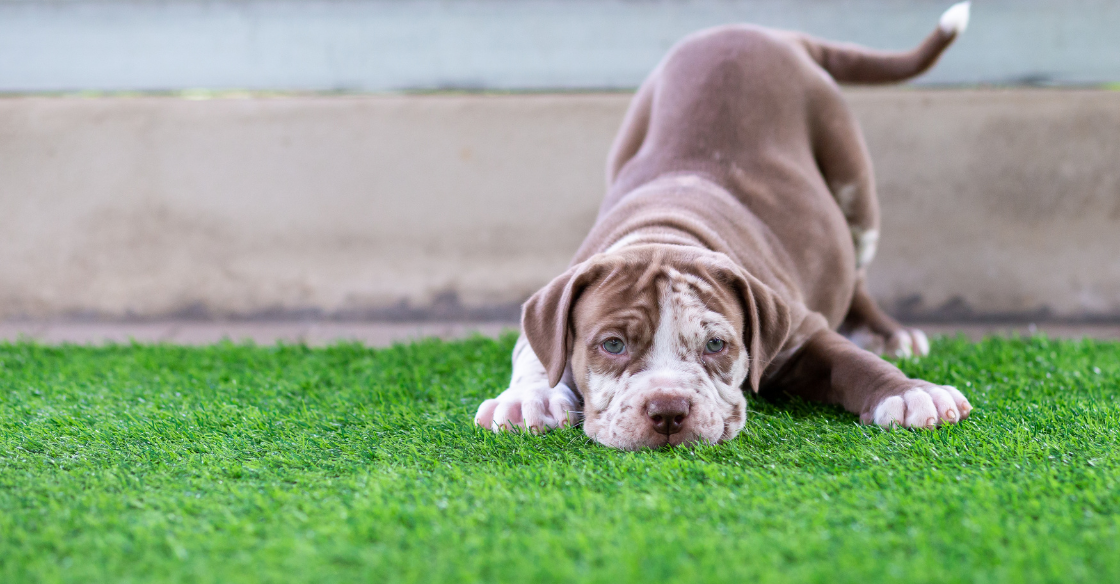
     Do you have a pet? It is every pet owner’s dream to have a lawn that is pet-friendly. There are artificial grass that dogs cannot dig. And because artificial grass does not come with any soil, your dog stays clean and odor-free.

    Who would have thought that one can actually “grow” artificial grass. To have a grass that you will never have to water is simply awesome! Isn’t is amazing that it is available already today! The future is now!

    Having a good drainage system is also the key. Some artificial grass keeps the liquid then it just simply saturates it. The better ones makes sure that the liquid drains right away making sure that your area stays dry, odor and bacteria free.

    When deciding on a supplier, find out how their drainage works.

    Some artificial grass available can also help keep temperature lower by as much as 15%. This is possible by the grass reflecting the sunlight thus decreasing heat build-up. This is perfect for the hot summers in places like Dallas, Texas!

    Many people like the smell of fresh cut grass. If you are one of them, you won’t believe that you can enjoy this all year round. And you don’t even have to mow your lawn to get a whiff of that scent.

    Companies like Best Artificial Grass in Dallas, Texas offer products with “fresh-cut technology for the zero maintenance, year-round green, beautifully smelling, freshly clean lawn”.

  • Understanding Your Landscape: Types and Elements

     Before you begin sketching your dream garden, consider the specific conditions of your local environment. The type of landscape – mountain, flat, or coastal – will heavily influence the plants and materials that can be used successfully.

    Similarly, understanding the five basic elements that shape landscape design – color, form, texture, line, and scale – is critical. Each plays a significant role in influencing the overall aesthetic of your garden:

    1. Color

    The first and most influential element, color sets the mood of your landscape. You can create exciting contrasts or maintain a monochromatic scheme for a more harmonious look. Utilizing a color wheel can help you make effective color decisions.

    2. From

    This refers to the shape of a plant and its branching pattern. Every plant, from the towering pines to the lowly groundcovers, has a unique form that contributes to the overall look of your garden.

    3. Texture

    Texture in landscape design is mainly visual, defined by the size and shape of a plant’s leaves. Mixing textures – rough against smooth, large leaves with small ones – can add depth and interest to your design.

    4. Line

    This element refers to the way plantings and hardscape are arranged to guide the viewer’s eye across the landscape. It can create a sense of direction and flow.

    5. Scale

    Scale refers to the size of one component relative to others in the landscape. Ensuring appropriate scale maintains harmony and avoids elements looking out of place.

    Visualize and Implement Your Landscape Design

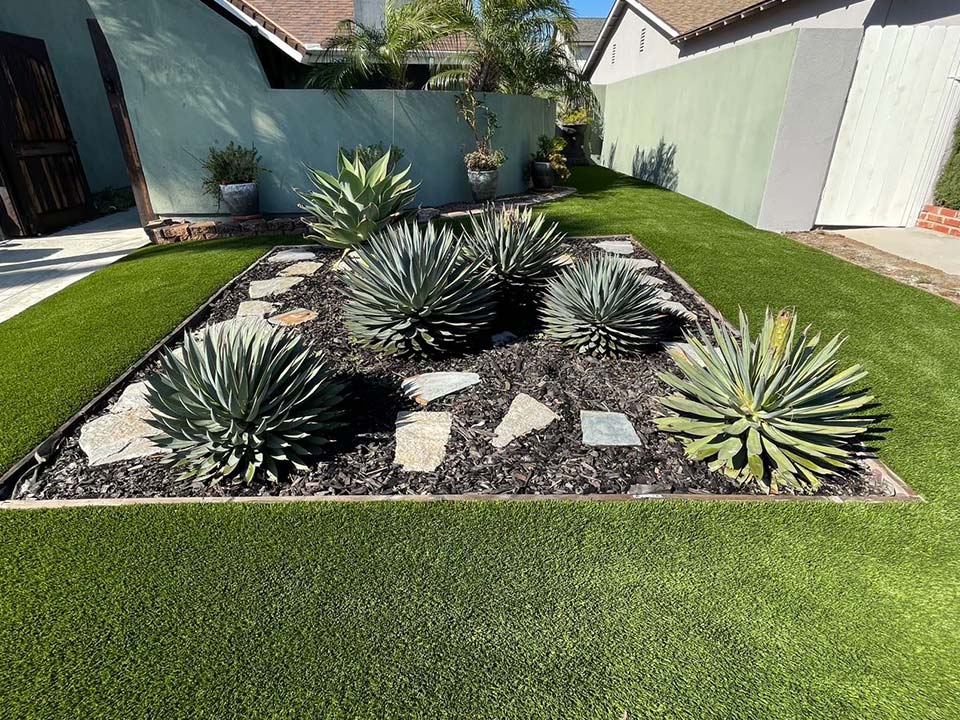
    A picture is worth a thousand words. Browse through landscape design photos for inspiration and to understand the practical application of design principles and elements. By studying these images, you can gather ideas and even plan a realistic budget for your landscaping project.

    Whether it’s crafting beautiful garden fountains, building rock gardens, planting aesthetically pleasing flower beds, or establishing functional hedges, mastering landscape design begins with understanding the basic principles and elements. So, why wait? Embark on your landscape design journey today and transform your outdoor space into a haven of beauty and tranquility.

  • The Essential Six Principles of Landscape Design

     To master the art of landscape design, one must grasp the six foundational principles, which are divided into two sets. The first three – proportion, transition, and unity – guide the overall aesthetics of the landscape, while the second trio – rhythm, balance, and focalization – controls how the eye moves through the landscape.

    1. Proportion

    This principle relates to the relative size of elements within the landscape. It ensures that the individual components, whether plants or structures, harmonize with the landscape as a whole, enhancing its visual appeal.

    2. Transition

    This involves creating smooth gradations of height, color, or texture to avoid sudden, jarring changes. For example, if you have a towering home and a low-lying flower bed, the abrupt contrast may be too stark. A solution could be to create a transition using medium-height shrubs between them, promoting a pleasing flow from one element to another.

    3. Unity

    This principle underscores a cohesive, harmonious theme throughout the landscape, whether it’s through the repeated use of specific plant forms or through color scheme continuity.

    4. Rhythm

    This principle works through the repetitive use of certain elements, creating a pattern that guides the viewer’s eye through the landscape. An alley of trees or a color-themed flower border can effectively steer the viewer’s attention across the garden.

    5. Balance

    This refers to the distribution of visual weight in your landscape, achieving a sense of stability. This can be symmetrical, with matching plantings on either side of a focal point, or asymmetrical, where different elements balance each other out due to their respective visual weights.

    6. Focalization

    This principle channels the viewer’s eye to a particular point of interest, be it a stunning sculpture, a water feature, or an ornamental tree. It’s achieved through the thoughtful arrangement of other elements in the landscape, drawing the viewer’s attention seamlessly.