Exploring the Benefits of Artificial Turf Grass in California
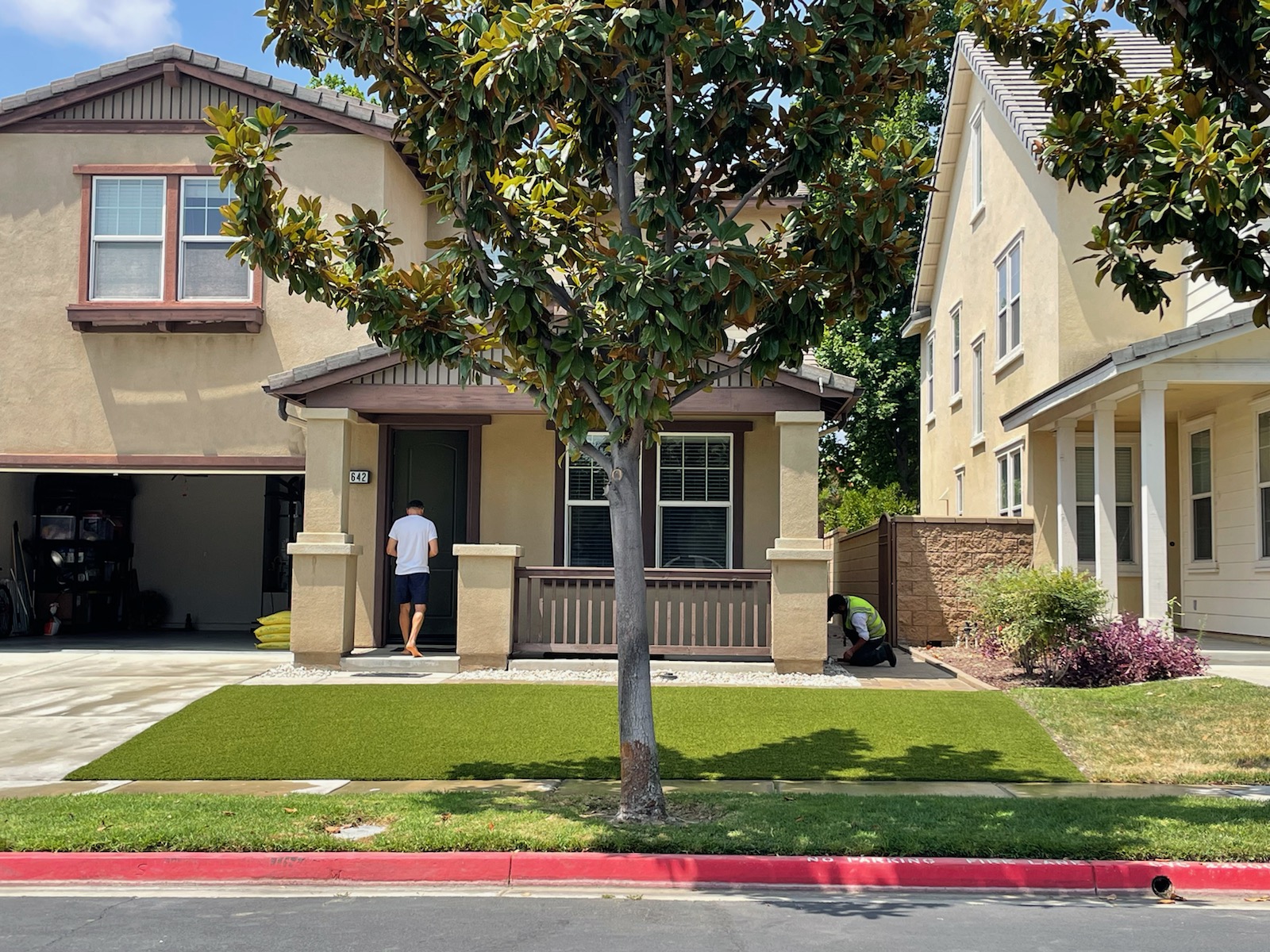
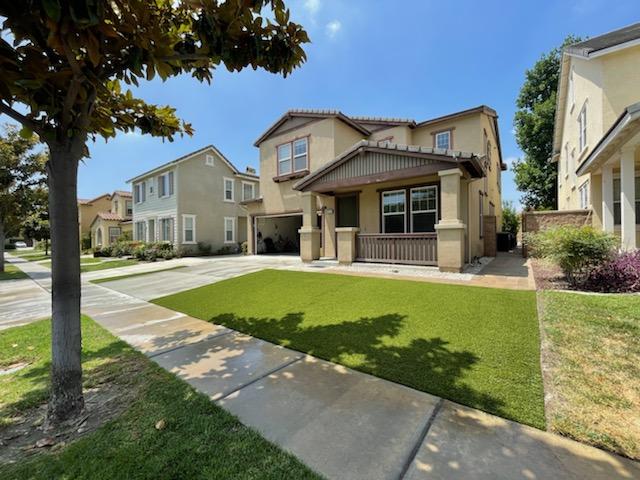
California, known for its diverse landscapes and climate, has witnessed a growing trend: the adoption of artificial turf grass. This alternative to natural grass has become increasingly popular due to its numerous advantages. From water conservation to aesthetic appeal, choosing artificial turf grass in California offers a range of benefits that cater to both environmental and lifestyle needs.
Water Conservation in a Drought-Prone State
California’s arid climate and recurring droughts have heightened the importance of water conservation. Artificial turf grass stands out as a water-efficient landscaping solution. Unlike natural grass, which demands regular irrigation, artificial turf requires minimal to no watering. This significant reduction in water usage not only helps homeowners save on water bills but also contributes to the state’s efforts to manage its water resources more sustainably.
Lush Aesthetic Appeal Year-Round
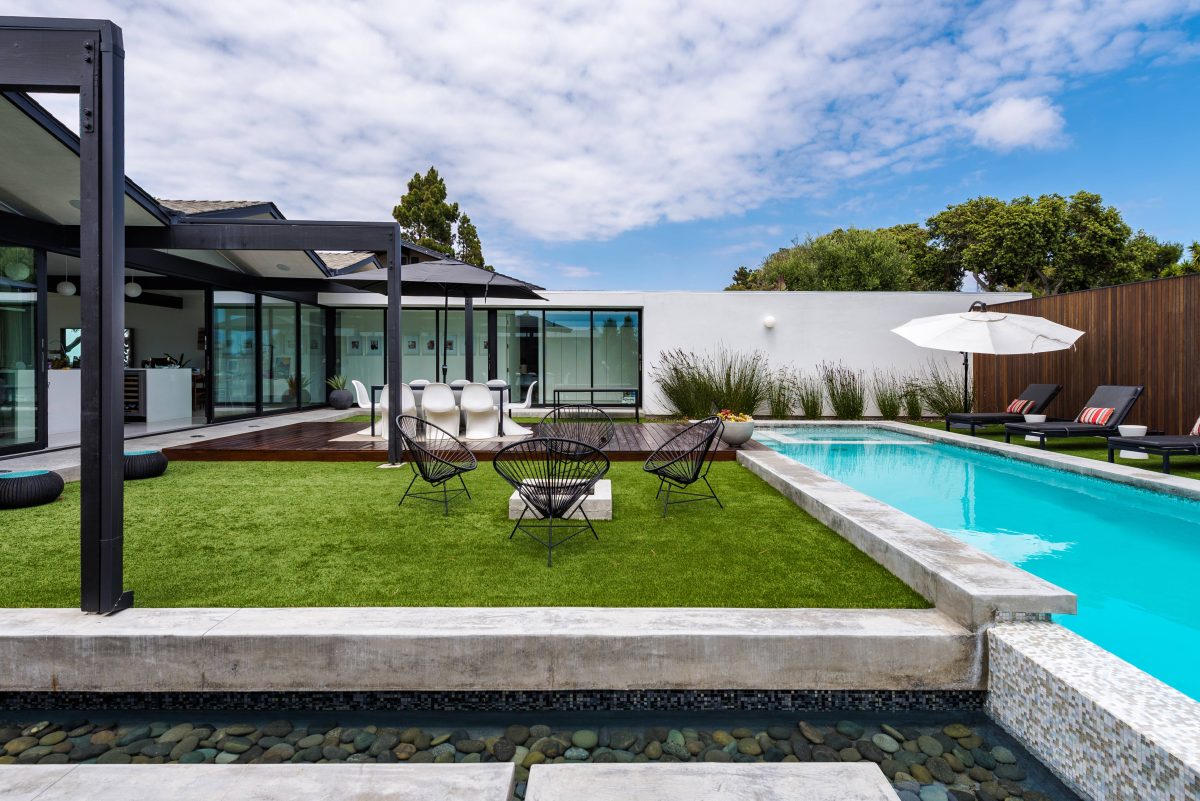
Maintaining a lush, green lawn in California can be challenging due to varying weather conditions and water restrictions. Artificial turf grass offers a consistent and vibrant aesthetic appeal throughout the year. Regardless of the season or weather, your lawn remains green and inviting. This advantage is particularly valuable in areas prone to drought-induced brownouts, where artificial turf provides an evergreen oasis amid parched surroundings.
Low Maintenance, High Enjoyment
Natural grass demands substantial maintenance, including mowing, fertilizing, and dealing with pests. Artificial turf grass, on the other hand, requires minimal upkeep. Say goodbye to mowing and edging, and enjoy more leisure time. Additionally, artificial turf does not require pesticides or herbicides, promoting a safer and healthier outdoor environment for families, pets, and local wildlife.
Durable and Resilient
California’s diverse climate can subject lawns to extreme temperatures, heavy foot traffic, and even wildfires. Artificial turf grass is designed to withstand these challenges. Engineered with durable materials, it maintains its integrity and appearance under various conditions. Whether it’s a backyard play area, a front yard gathering space, or a sports field, artificial turf offers reliable performance that can endure the demands of active lifestyles.
Pet-Friendly and Easy to Clean
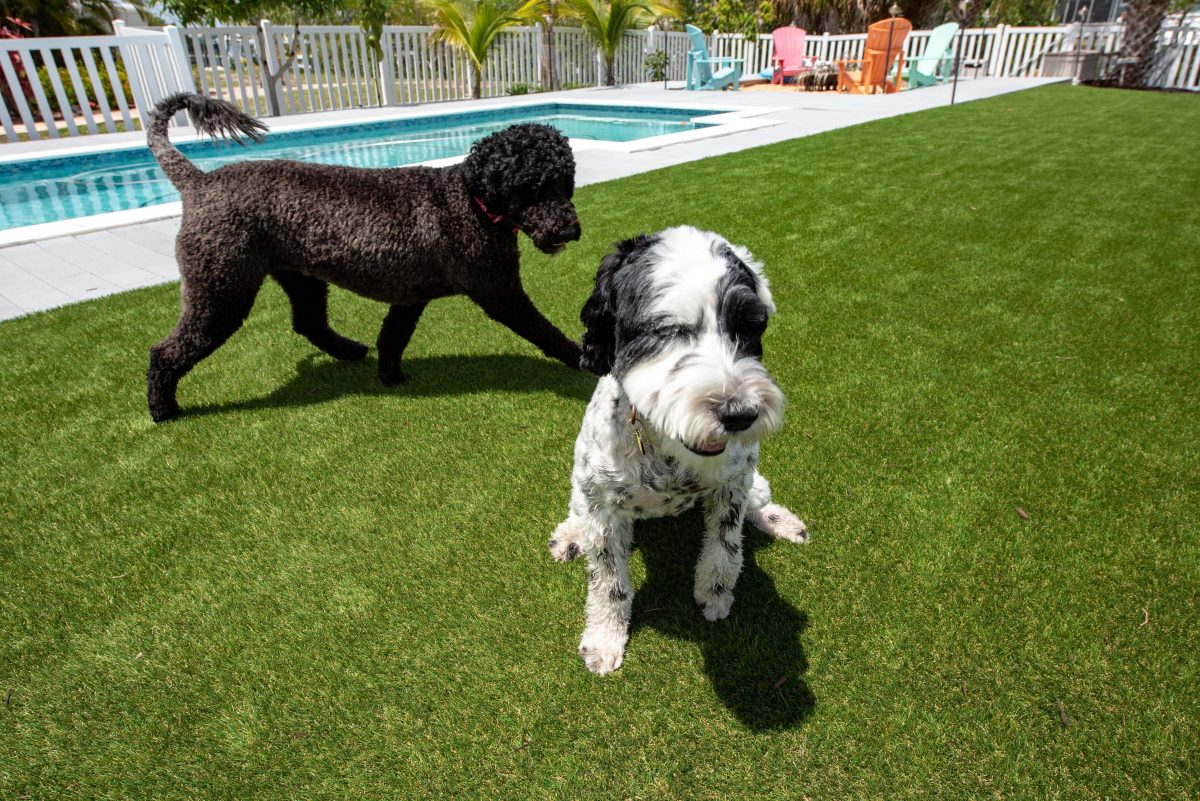
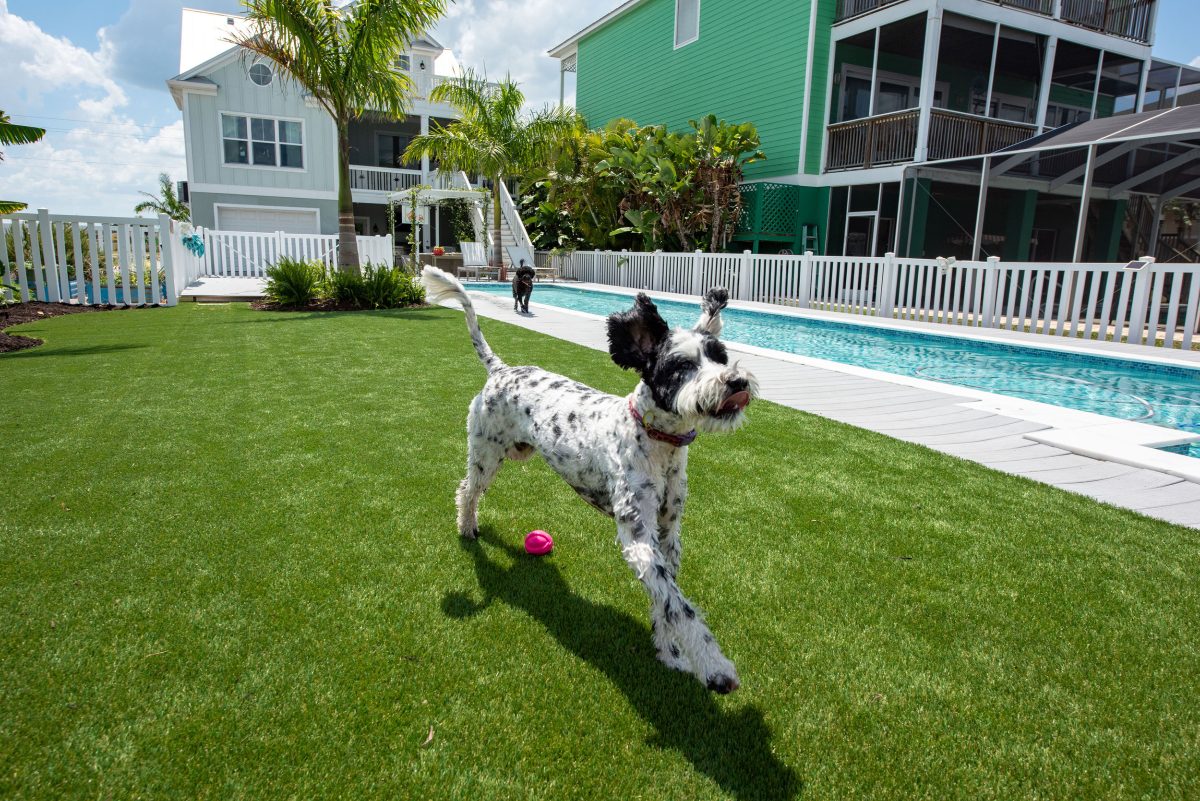
For pet owners in California, maintaining a clean and pleasant outdoor space is a priority. Artificial turf grass is designed to accommodate pets, providing a comfortable surface for play and relaxation. It is resistant to discoloration from pet waste and is easy to clean. Regular hosing down and prompt removal of solid waste keep the turf hygienic and odor-free. Many artificial turf products also have built-in drainage systems that facilitate efficient water runoff.
Environmental Impact and Sustainability
While considering the benefits of artificial turf grass, it’s essential to evaluate its environmental impact. Some concerns include the materials used in its production and its end-of-life disposal. To address these concerns, opt for artificial turf made from eco-friendly materials. Additionally, advancements in recycling technologies are providing more options for the responsible disposal of synthetic turf at the end of its life cycle.
Conclusion
Choosing artificial turf grass in California offers a host of compelling reasons, ranging from water conservation and year-round beauty to minimal maintenance and resilience. This alternative landscaping solution aligns well with the state’s efforts to address water scarcity and embrace sustainable practices. Whether you’re a homeowner seeking a vibrant lawn or a community manager looking to enhance public spaces, artificial turf grass presents a valuable opportunity to create beautiful, functional landscapes that withstand the challenges of California’s environment.
Nestled within the vibrant landscapes of California, where nature’s beauty and sportsmanship unite, AGSTurf emerges as a true game-changer. As a dedicated artificial turf supplier, AGSTurf brings a touch of magic to both landscapes and sports fields. With a commitment to excellence, innovation, and the environment, AGSTurf has become a dependable companion in the industry.
AGSTurf, headquartered in the heart of California, has blossomed into a premier provider of top-tier artificial turf solutions. Serving a wide spectrum of clients, from families and businesses to sports arenas and local communities, AGSTurf’s diverse product range caters to various desires.
Imagine the perfect lawn or sports field that stays eternally lush – AGSTurf brings this dream to life. With devotion to detail and advanced crafting, AGSTurf’s artificial turf is an embodiment of resilience, endurance, and a vibrant allure that remains unshaken. Be it a cozy home garden or a bustling sports arena, AGSTurf’s commitment to perfection ensures a year-round spectacle.
AGSTurf stands as the trailblazer in turf technology. Fuelled by an unquenchable thirst for innovation, AGSTurf invests unceasingly in research and development. This dedication births ingenious turf products that stand tall against time and nature’s whims. AGSTurf’s innovation dances in harmony with California’s water conservation, making it a conscientious choice in the arid landscape.
Every canvas is unique, and AGSTurf’s palette of options proves just that. From homes yearning for maintenance-free greenery to sports enthusiasts demanding fields that embrace their energy, AGSTurf weaves a tapestry of possibilities. With residential turf offering elegance without upkeep and sports turf becoming a stage for dreams, AGSTurf caters to all tales.
As California whispers stories of sustainability, AGSTurf joins the chorus. Their synthetic grass choreographs a dance of water conservation, a tribute to California’s thirst for sustainability. Opting for AGSTurf is a step towards preserving water, a most precious resource. The magic deepens as AGSTurf’s products sway into recycling, painting a greener canvas for tomorrow.
As art requires a master’s touch, so does turf installation. AGSTurf’s artisans, skilled in the nuances of installation, breathe life into their creations. Every roll, every blade is tenderly placed, creating a masterpiece that nature itself might envy. AGSTurf ensures that the dreams woven in their turf come alive in your spaces.
Whisperers of Customer Delight
AGSTurf’s journey to the stars is paved with exceptional customer care. They listen, understand, and transform needs into solutions, embodying trust and rapport. From selecting the perfect fit to nurturing post-installation bonds, AGSTurf places customers at the core, transcending from a supplier to a confidant.
AGSTurf’s voyage from local supplier to Californian legend is a saga of passion, innovation, and an unwavering commitment to excellence. By embracing the ever-changing landscape of sports and spaces, AGSTurf pens a new chapter in the annals of artificial turf.
In California’s sprawling canvas, AGSTurf emerges as the artist, adding vibrancy to lawns, sports fields, and communal spaces. With a heart full of commitment, an eye for innovation, and a love for nature, AGSTurf reshapes dreams into reality. As the sun continues to shine on California’s horizons, AGSTurf stands ready to paint each landscape with enduring green, reflecting the very spirit of the Golden State.
Pioneering Transformation in California: AGSTurf – Your Trusted Artificial Turf Companion
In the heart of California, where breathtaking landscapes and a vibrant sports culture thrive, AGSTurf emerges as a revolutionary force. Nestled as a premier artificial turf supplier, AGSTurf is changing the game in the realms of landscaping and sports surfaces. With an unwavering dedication to quality, innovation, and environmental stewardship, AGSTurf has become an esteemed presence in the industry, offering a helping hand to Californians in their pursuit of greener pastures.
With its roots firmly planted in California, AGSTurf is a beacon of innovation and excellence in providing artificial turf solutions. Catering to a diverse clientele ranging from individuals and enterprises to sports facilities and local municipalities, AGSTurf boasts a comprehensive array of offerings tailored to meet a spectrum of needs.
In the realm of artificial turf, the quality reigns supreme. AGSTurf takes immense pride in offering top-notch products that mirror the allure of natural grass. Through meticulous craftsmanship and state-of-the-art manufacturing processes, AGSTurf’s artificial turf stands resilient against wear and time, showcasing an enduring vibrancy that defies the seasons. Whether it’s an inviting backyard or a bustling sports field, AGSTurf’s unwavering commitment to quality ensures an everlasting emerald embrace.
In the pursuit of excellence, AGSTurf stands at the forefront of innovation. With an unyielding commitment to staying ahead of trends, AGSTurf channels its resources into pioneering research and development. This dedication has birthed a collection of technologically advanced turf products that thrive under diverse conditions. The innovative spirit of AGSTurf also champions water conservation, making it a responsible choice for California’s water-scarce environment.
AGSTurf recognizes the tapestry of dreams, each unique in its fabric. Their diverse portfolio of artificial turf products caters to myriad aspirations. For homeowners seeking a haven of low-maintenance beauty, AGSTurf’s residential turf presents an impeccable solution, erasing the need for constant toil. Athletes and sports aficionados find solace in AGSTurf’s tailor-made sports turf, designed to endure the rigors of countless games while offering a consistent arena.
In a state that champions sustainability, AGSTurf’s eco-conscious approach resonates harmoniously. Their synthetic grass not only adorns landscapes but also curtails water usage, a precious resource in California’s narrative. By choosing AGSTurf, patrons are not just investing in aesthetics; they are joining a movement for water conservation and reduced ecological footprints. Furthermore, AGSTurf’s products are recyclable, echoing their pledge to responsible manufacturing.
While turf quality is paramount, installation is the artist’s final brushstroke. AGSTurf recognizes this synergy and offers adept installation services that breathe life into their turf’s potential. Their skilled artisans, versed in the nuances of installation, weave a tapestry of realism and perfection. This meticulous devotion elevates AGSTurf to the echelons of holistic solution providers.
AGSTurf’s ascendancy thrives on a cornerstone of exceptional customer care. Their approach revolves around unraveling the tapestry of each client’s needs and threading solutions with precision. From curating the perfect product to extending unwavering post-installation support, AGSTurf crafts relationships founded on trust and mutual growth.
AGSTurf’s odyssey, from a local enterprise to a Californian trailblazer, resonates as a testament to their unwavering pursuit of excellence. By embracing the tapestry of challenges that color the modern landscape and sports industry, AGSTurf has scripted its narrative as an inspiring figure in the realm of artificial turf.
In the vibrant state of California, where golden landscapes and sports fervor collide, a trailblazer has emerged. Meet AGSTurf, the visionary artificial turf supplier nestled in California’s heart, reshaping the way we envision landscaping and sports surfaces. With a strong commitment to excellence, innovation, and environmental harmony, AGSTurf has become a revered name in the industry.
AGSTurf, a California-based headquarters, emerges as a premier provider of top-notch artificial turf solutions. Catering to a diverse clientele – from households to enterprises, sports facilities to local governments – AGSTurf boasts a product range designed to cater to multifaceted needs.
In the realm of artificial turf, quality reigns supreme. AGSTurf prides itself on offering unparalleled products that echo the charm of natural grass. Through meticulous craftsmanship and avant-garde manufacturing techniques, AGSTurf’s artificial turf showcases exceptional durability, resilience, and a vibrant allure that weathers time’s test. Whether it’s a home garden or a sports field, AGSTurf’s unwavering pursuit of quality ensures an evergreen landscape year-round.
AGSTurf stands as a beacon of innovation in the artificial turf arena. With a commitment to stay at the forefront of trends, the company consistently invests in pioneering research and development. This dedication has birthed technologically advanced turf products that thrive under diverse conditions. AGSTurf’s innovative marvels also play a role in conserving water, making it an environmentally conscious choice that resonates deeply in California’s parched climate.
AGSTurf acknowledges that one size seldom fits all. Their eclectic range of artificial turf products caters to a tapestry of applications. For homeowners yearning for a hassle-free lawn, AGSTurf unveils residential turf that not only exudes splendor but also eradicates the need for perpetual upkeep. For the sports aficionados, AGSTurf’s specialized sports turf is meticulously designed to endure the grueling demands of various sports, delivering an unswerving playing surface.
California’s green ethos seamlessly aligns with AGSTurf’s eco-friendly philosophy. The company’s synthetic grass is ingeniously crafted to curtail water consumption, an invaluable asset in the state’s canvas. By embracing AGSTurf, patrons partake in the noble endeavor of conserving water and lessening their ecological footprint. Moreover, AGSTurf’s products are crafted to be recyclable, further echoing their commitment to sustainable production practices and waste reduction.
While the quality of the artificial turf is pivotal, the art of installation stands as its equal counterpart. AGSTurf recognizes this interdependence and extends professional installation services that ensure an immaculate turf canvas. Their adept installers possess an intrinsic understanding of the nuances of turf installation, yielding a seamless and nature-inspired panorama. This meticulous attention sets AGSTurf apart as an all-encompassing solution purveyor.
From navigating clients through product selection to offering post-installation support, AGSTurf’s customer-centric harmony forges bonds of trust and enduring alliances.
AGSTurf’s odyssey from local roots to a Californian saga epitomizes their zeal, innovation, and unwavering pursuit of excellence. By embracing the challenges of the modern landscaping and sports domain, AGSTurf has engraved its name as a pioneering artificial turf supplier.
In California’s sprawling realm, AGSTurf has etched its narrative as a vanguard in the artificial turf realm. Anchored in quality, innovation, and environmental stewardship, they have metamorphosed mundane lawns, sports arenas, and public spaces into vivacious, robust, and ecologically conscious sanctuaries that echo California’s vibrant spirit
In the bustling state of California, where the sun-kissed landscapes and outdoor lifestyles prevail, the demand for pristine lawns and landscapes remains unwavering. As the concrete jungle continues to expand, the appeal of natural grass is gradually being eclipsed by the allure of artificial turf. In this paradigm shift, AGSTurf emerges as the quintessential supplier, offering Californians a seamless blend of innovation, aesthetics, and environmental consciousness.
AGSTurf, a prominent player in the artificial turf industry, stands as a testament to ingenuity and quality. For years, the company has been redefining outdoor spaces, elevating residential, commercial, and public areas with its premium artificial turf solutions. With a commitment to customer satisfaction, AGSTurf takes pride in presenting an extensive range of turf varieties that cater to the diverse preferences and requirements of Californians.
Unparalleled Realism: One of AGSTurf’s most remarkable attributes is its ability to replicate the natural look and feel of grass. The fibers are intricately designed to mimic the lushness of actual blades, ensuring that your landscape exudes an aura of authenticity.
Durability Redefined: California’s diverse climates can be a challenge for maintaining a lush lawn. AGSTurf’s products are engineered to withstand the state’s demanding conditions, from scorching sun to occasional rainfall. With AGSTurf, you no longer need to worry about patchy grass or excessive maintenance.
Eco-Friendly Approach: Amid growing concerns about water conservation and environmental impact, AGSTurf emerges as a responsible alternative. By opting for artificial turf, you contribute to the reduction of water consumption and eliminate the need for harmful pesticides or fertilizers.
Versatility in Application: Whether it’s a sprawling backyard, a rooftop garden, or a playground, AGSTurf offers a diverse range of products suitable for various applications. This versatility ensures that every outdoor space can be transformed into a lush oasis.
Expertise and Assistance: AGSTurf doesn’t merely supply turf; it provides expertise. The company’s knowledgeable professionals guide customers through the selection process, offering tailored recommendations to ensure that the chosen turf aligns seamlessly with the vision for their space.
California’s unique allure lies in its year-round outdoor lifestyle. From barbecues and picnics to sports and relaxation, the state’s residents have an innate connection to their outdoor spaces. AGSTurf plays a pivotal role in enhancing this connection by offering an aesthetically pleasing and functional alternative to natural grass.
Imagine a weekend spent on a verdant lawn without the hassle of mowing, weeding, or irrigation. AGSTurf makes this idyllic vision a reality, providing families, businesses, and communities the opportunity to relish the beauty of nature without compromising on convenience.
Sustainability and Beyond: Pioneering the Future
AGSTurf doesn’t stop at providing remarkable artificial turf solutions; it also champions the cause of sustainability. By reducing water consumption and minimizing the use of harmful chemicals, AGSTurf contributes to the preservation of California’s precious resources.
As the state continues to grapple with water scarcity and environmental concerns, AGSTurf’s commitment to innovation and sustainability positions it as a pioneering force in the landscaping industry.
AGSTurf, the distinguished artificial turf supplier in California, embodies the harmony between human innovation and nature’s beauty. Its dedication to crafting lifelike turf, enhancing outdoor spaces, and promoting sustainability encapsulates the essence of the Californian dream. In a world where landscapes are transforming, AGSTurf stands as a steadfast partner in turning outdoor visions into reality, one blade at a time.
When it comes to transforming outdoor spaces into stunning, low-maintenance landscapes, AGSTurf stands as a beacon of excellence in California. As a leading artificial turf supplier, AGSTurf has earned its reputation for providing high-quality, sustainable, and visually appealing synthetic grass solutions. With a commitment to innovation and environmental consciousness, AGSTurf is redefining outdoor aesthetics across the Golden State.
California’s diverse climate and water scarcity concerns have prompted a shift towards more sustainable landscaping solutions. AGSTurf’s premium artificial turf emerges as the perfect alternative to traditional grass. With a wide range of realistic textures and hues, these synthetic lawns deliver the aesthetic charm of natural grass without the demanding upkeep. Whether it’s a residential lawn, commercial property, sports field, or rooftop garden, AGSTurf’s collection caters to every need, enhancing the visual appeal of any space.
AGSTurf takes pride in its unwavering commitment to quality. The artificial turf supplied by AGSTurf is manufactured using state-of-the-art technology that ensures durability and longevity. Rigorous testing procedures guarantee that the turf can withstand California’s ever-changing weather conditions, from scorching sun to occasional rainfall. This exceptional quality assurance showcases AGSTurf’s dedication to delivering products that exceed customer expectations.
Water conservation and eco-friendliness are integral to AGSTurf’s philosophy. California’s battle with drought necessitates responsible water usage. By opting for AGSTurf’s artificial grass, customers contribute to water conservation efforts while enjoying lush, green lawns year-round. Moreover, the elimination of chemical pesticides and fertilizers in maintenance reduces environmental impact, making AGSTurf’s synthetic turf an eco-conscious choice.
AGSTurf thrives on innovation, consistently pushing boundaries in artificial turf technology. The company’s team of experts continually refines their products to mirror the look and feel of natural grass. The integration of cutting-edge materials ensures optimal resilience against heavy foot traffic, ensuring the turf remains pristine even in high-use areas. AGSTurf’s professionals provide personalized consultations, guiding customers to select the ideal turf variety that aligns with their preferences and needs.
AGSTurf’s impact stretches far beyond just supplying artificial turf. The company plays an instrumental role in turning customers’ landscaping dreams into reality. With a keen understanding of design aesthetics and functional requirements, AGSTurf collaborates closely with clients, architects, and landscapers to ensure seamless project execution. From conceptualization to installation, AGSTurf stands as a reliable partner throughout the journey.
Opting for AGSTurf’s artificial turf is more than just a short-term improvement. It’s a long-term investment that pays dividends over time. The reduction in water bills, elimination of maintenance costs associated with traditional lawns, and the enduring beauty of the synthetic turf make it a smart financial decision. Customers can enjoy a picturesque landscape without the constant need for mowing, watering, and upkeep.
AGSTurf’s presence in California’s landscaping industry is a testament to the transformative power of high-quality artificial turf. With a fusion of beauty, sustainability, and innovation, AGSTurf stands as a beacon of excellence for those seeking to enhance their outdoor spaces. By choosing AGSTurf, Californians not only embrace the lush greenery they desire but also contribute to a more environmentally conscious future. So, whether it’s a backyard paradise, a sports field, or a commercial oasis, AGSTurf is the name that Californians trust for all their artificial turf needs.
In the heart of California’s diverse landscape, where natural beauty meets urban innovation, AGSTurf stands as a testament to the evolving relationship between human living spaces and the environment. As a leading artificial turf supplier, AGSTurf has not only transformed lawns but also perceptions, providing a sustainable solution that harmonizes with the Golden State’s unique lifestyle. With an unwavering commitment to quality, innovation, and environmental responsibility, AGSTurf has become synonymous with reimagining outdoor spaces across California.
AGSTurf’s journey began with a singular vision: to offer Californians a high-quality alternative to natural grass that enhances the aesthetic appeal of their outdoor spaces while minimizing the maintenance demands. This vision materialized into a range of artificial turf products that not only emulate the lushness of real grass but also exceed it in terms of durability and resilience.
The company’s dedication to quality is evident in every aspect of its offerings, from the selection of materials to the intricate manufacturing process. AGSTurf’s artificial grass is designed to withstand California’s diverse climate conditions, ensuring that it remains vibrant and inviting year-round. The products undergo rigorous testing to meet stringent quality standards, providing customers with turf that’s built to last, regardless of foot traffic or weather patterns.
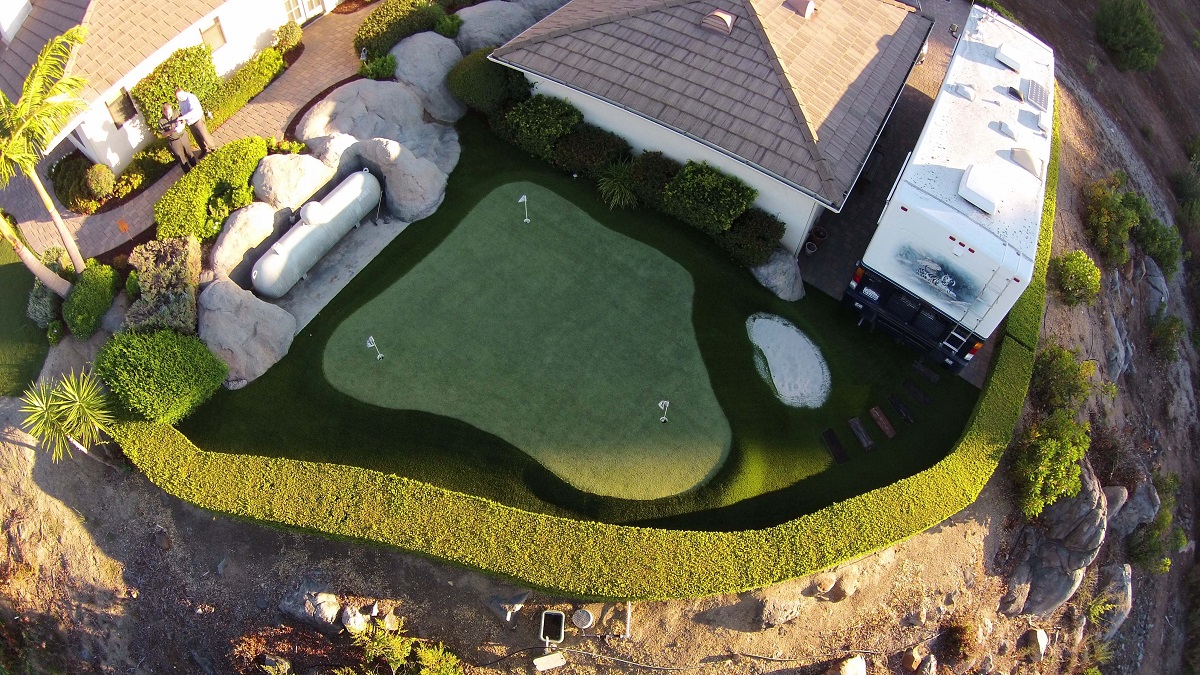
AGSTurf’s commitment to innovation has propelled the company beyond conventional boundaries. The artificial turf supplied by AGSTurf is not just a replacement for grass; it’s a catalyst for reimagining outdoor living. With options ranging from lush front lawns to putting greens that rival professional courses, AGSTurf empowers Californians to personalize their spaces in unprecedented ways.
One of AGSTurf’s notable innovations is its eco-friendly turf, which combines aesthetic beauty with sustainability. By incorporating recycled materials into the manufacturing process, AGSTurf helps reduce waste and minimize the environmental impact of traditional landscaping. This aligns seamlessly with California’s eco-conscious ethos, making AGSTurf a natural partner for those striving to create greener, more environmentally responsible spaces.
California’s commitment to environmental sustainability and water conservation is unparalleled. AGSTurf shares this commitment by offering a solution that conserves water while maintaining the natural beauty of outdoor areas. In a state often plagued by droughts, traditional lawns can be a major contributor to water waste. AGSTurf’s artificial grass eliminates this concern entirely, as it requires no watering to remain vibrant and green. This not only reduces water consumption but also contributes to lower utility bills and a more sustainable lifestyle.
Moreover, AGSTurf’s dedication to the environment extends to its manufacturing practices. The company employs efficient and eco-friendly processes that minimize energy consumption and emissions, ensuring that the production of their artificial turf has a minimal ecological footprint.
From suburban residences to urban commercial spaces, AGSTurf’s influence can be seen across the diverse Californian landscape. As the premier artificial turf supplier in the state, AGSTurf continues to set the standard for quality, innovation, and environmental stewardship. Through its commitment to creating beautiful, sustainable outdoor spaces, AGSTurf has woven itself into the fabric of California’s outdoor lifestyle, ensuring that the state’s natural beauty thrives alongside its innovative spirit.
A reliable artificial grass cleaner is a necessity for every owner of synthetic lawns, or at the very least, it’s essential to understand its benefits. Cleaning your grass is inevitable, particularly if you have dogs or pets that leave urine or solid waste on the lawn. The popularity of artificial turf lawns is increasing, largely due to their ultra-low maintenance. However, if you have children and pets, you may need to take certain steps to maintain its cleanliness and hygiene throughout the year.
Artificial grass cleaner
The most effective method to prevent harmful organisms or bacteria from taking hold in your grass is to promptly remove solid waste and rinse the grass with a garden hose to eliminate urine. This is especially crucial if you have dogs or pets that frequently use the lawn. Alongside regular rinsing, there are other options for keeping the grass clean and odor-free, including using detergents, vinegar, or a potent enzyme cleaner designed to target potentially harmful bacteria. Further details about how to clean artificial grass will be discussed below.
Pet-Safe Artificial Grass Cleaner
Numerous pet-safe artificial grass cleaners for dogs are available in today’s market. While this diversity is advantageous as it provides consumers with various choices, selecting a cleaner that effectively eradicates urine odors while remaining safe for anyone using the grass, including children and dogs, can be confusing. There are specific artificial grass cleaners for dogs containing powerful enzymes that combat bacteria found in urine and feces. These enzymes are robust enough to eliminate bacteria yet gentle enough for use in areas frequented by children and dogs, without harming your grass.
Dog-friendly artificial grass cleaners come in two main forms. The first is a convenient spray bottle containing a pre-mixed liquid, usually with a ratio of 1:10, combining enzyme cleaner concentrate with water. An excellent product to consider is an artificial grass spray cleaner, ideal for spot cleaning and small areas that dogs or pets use as a bathroom. They are well-suited for breaking down organic substances like feces, urine, blood, sweat, and vomit. The countless naturally occurring bioenzymes neutralize odors at the source and break down organic waste.
An alternative type of artificial grass cleaner is a concentrated cleaning solution. This type is ideal for cleaning larger areas frequented by dogs. Kennels, dog runs, or yards with multiple dogs will find using a concentrated solution more beneficial and cost-effective than pre-mixed spray cleaners. Applying the concentrate works best with a hose-end sprayer featuring adjustable mixture ratio settings.
Simple Green Outdoor Odor Eliminator for Pets
Rapidly removes odors caused by urine, feces, vomit, and organic matter.
If you click on this link and make a purchase, we may earn a commission.
Artificial Grass Pet Odor Eliminator
How to Clean Artificial Grass Step by Step
Using a potent artificial grass odor eliminator effectively kills the bacteria responsible for unpleasant smells. Odors can develop from urine accumulation in the artificial grass infill over time or particles of feces left behind after cleanup. A high-quality cleaner containing active enzymes is perfect for eliminating bacteria and the accompanying odor, making it suitable for cleaning lawns and even artificial grass pet areas. Let’s examine the fundamental steps for eliminating urine odor and other types of organic matter from artificial grass.
Remove Large Debris
Clearing debris from your artificial lawn is crucial as it prevents organic matter from settling between the grass blades. Accumulated material can lead to issues such as weed growth, moss, and fungus that promote odor-causing bacteria. Removing debris is easily accomplished with a blower or a power broom for a deeper clean that lifts debris from the grass backing.
Starting in one corner of the area and progressing toward the opposite corner is advisable. When using a power brush, work against the blade slant. Blooming the blades is an integral aspect of regular artificial grass maintenance. The aim is to eliminate as much organic debris as possible while fluffing up the grass, leaving it in an optimal state for thorough cleaning.
If you have pets, particularly dogs that use the grass area as a restroom, be sure to remove all feces. Any solid waste left uncleared before rinsing can embed itself into the grass thatch layer, leading to issues.
Garland Roll & Comb 502E Artificial Grass Power Brush
Efficiently clean and gather debris from artificial grass, including leaves, pine needles, and pet hair.
If you click on this link and make a purchase, we may earn a commission.
Artificial Grass Power Broom
2) Rinse with a Garden Hose
Thoroughly rinsing with a garden hose is a crucial step before using an artificial grass cleaner. Pay close attention to areas frequently used by pets or those prone to becoming soiled, such as around sandboxes or gardens. The objective is to target dirt, urine buildup, or other organic matter that could lead to further issues. Try to spray every square foot of the grass, even where it doesn’t appear dirty, as urine may be present even if not visible.
While a pressure washer can replace a garden hose, care must be taken not to displace infill materials. Overspraying, disrupting infill materials, and even damaging the grass are easy pitfalls.
Check for Weeds, Moss, and Mold
After brushing and rinsing your grass, it’s an ideal time to inspect for the presence of weeds, moss, or fungus. Proper artificial grass installation should prevent most organic vegetation like weeds from growing, but they might still develop over time. If you come across weeds, moss, or fungus, take note of their locations and apply extra artificial grass cleaner to address the issue.
Inspect for Stains or Residue
Examine the grass for stains or any other foreign substances that shouldn’t be there. These could include paint, oil, tree sap, or even food left behind by a child or dog. While each substance may require a different approach, the goal is to remove the bulk of the product using suitable means and then eliminate the residue. This can be achieved using a stiff-bristle push broom along with baking soda, dry ice, or even white vinegar, which will be discussed further below.
Food and beverage spills can be cleaned with a mild, eco-friendly cleaner. For optimal results, clean the area as soon as possible after the spill. Rinse the area afterward to remove cleaner residue and avoid using chemicals that could corrode or discolor the grass. Removing tree sap, candy, or sticky gum from artificial grass can be challenging but feasible with effort. A useful approach is to freeze the substance using dry ice or an aerosol refrigerant, then carefully break it away.
Stubborn substances like motor oil, grease, paint, and others can be successfully cleaned using mineral spirits or a mild detergent solution mixed with warm water.
Tidy Tools Large 18″ Push Broom with Alloy Handle
Stiff-bristle push broom, ideal for cleaning artificial grass.
If you click on this link and make a purchase, we may earn a commission.
Broom for Artificial Grass
5) Enzyme Cleaner Application
After addressing stubborn stains, if any, it’s time to thoroughly clean the entire grass with an artificial grass enzyme cleaner. The most efficient way to cover a large area in a short time is to use a hose-end sprayer with a ratio dial for setting the desired concentration. Apply the enzyme cleaner concentrate evenly across the entire yard, but feel free to go over areas with high urine or feces content to ensure sufficient cleaning agent is applied.
This marks the final step in cleaning artificial grass and should take about 15-20 minutes for every 1,000 square feet of grass. The cleaner should come with dilution recommendations and specify the coverage area for the size of the hose-end sprayer container. As you become familiar with your dogs’ habits, the time of year, and other variables, you’ll gain a better understanding of how much enzyme cleaner is needed to neutralize urine odors and disinfect.
Cleaning Artificial Grass with Vinegar
Cleaning artificial grass with a mixture of vinegar and water effectively kills and prevents bacteria. While bacteria are rarely found in properly installed and maintained synthetic lawns, they can occasionally occur in areas like dog runs, kennels, and spaces where food is prepared or served. When artificial grass is installed with a suitable sub-layer that promotes proper drainage and anti-microbial infill, it becomes nearly impossible for bacteria to thrive.
The most common method of cleaning with vinegar involves mixing equal parts vinegar and water in a 1:1 ratio. A small area can be cleaned using a sponge and cloth, while a larger area is best addressed with a spray bottle. Scrub the area as necessary and then rinse with clean water from a garden hose to remove both the vinegar and any urine, food, etc. through the grass. For cleaning a large backyard area, we recommend using a hose-end sprayer with an attached mixing bottle.
45% Pure Vinegar Concentrate Grade 1 Gallon
Biodegradable concentrated cleaning vinegar for artificial grass.
If you click on this link and make a purchase, we may earn a commission.
Vinegar Concentrate Cleaner
Artificial Grass Cleaner FAQs
If you have specific questions about artificial grass cleaners, feel free to consult one of our experts. Today’s market offers numerous cleaning products, and your choice will often come down to a trusted option or one available in your region. While bacteria problems are unlikely, they can arise if dogs frequently urinate in a specific area, drainage is insufficient, or anti-microbial infill wasn’t used. These are factors to consider when installing artificial grass for dogs.
Can you clean artificial grass?
Yes, you can clean artificial grass. A basic clean can be achieved by rinsing with clean water from a garden hose. For deeper cleaning, we recommend using an enzyme cleaner specifically designed for artificial grass that eliminates bacteria, odors, and even provides a pleasant scent.
In an era where pets have become integral family members, the demand for living spaces that cater to their comfort and needs has surged. Amid this trend, artificial grass has emerged as a game-changer, providing an unparalleled solution that seamlessly blends aesthetics, practicality, and pet-friendliness. This article sheds light on the world of artificial grass for dogs, unveiling its benefits, key considerations, installation intricacies, and the art of maintaining this innovative pet haven.
Advantages of Artificial Grass for Dogs
Unyielding Durability: Unquestionably, durability stands as the hallmark of artificial grass. Resisting the rigors of dogs’ energetic activities – from sprinting to fetching – it prevents the emergence of unsightly patches that often mar natural grass under such intense usage.
Hygiene at Its Best: Artificial grass epitomizes hygiene, making pet ownership a seamless experience. Unlike natural grass, there’s no soil involved, thus, no mud or dirt to be tracked indoors. Waste disposal is simplified, and the grass is effortlessly rinsed, leaving no room for lingering odors.
Safety First: Safety is paramount in the design of artificial grass. Free from toxic chemicals, pesticides, and allergens often present in natural grass, it safeguards pets from potential harm. Inquisitive pups can nibble without worry.
Comfort Redefined: The plush, cushioned surface of artificial grass is an unparalleled play haven. Its impact absorption properties prove ideal for senior dogs or those with mobility constraints, assuring a comfortable play area.
Minimum Maintenance: Nature demands incessant care – watering, mowing, and fertilizing. In contrast, artificial grass thrives on minimal maintenance. No mowing required; the grass remains vivid year-round, unburdened by exhaustive upkeep.
Crucial Factors in Selecting Artificial Grass
Material Excellence: Opt for superior-quality materials that prioritize pet safety. Durable, non-toxic options that withstand pet activity without fraying or fading are paramount.
Drainage Prowess: Adequate drainage mechanisms are essential for a pet-friendly artificial grass installation. Seek grass with a perforated backing that ensures efficient urine drainage, eliminating puddles.
Pile Height Wisdom: Opt for medium to long pile height for optimal comfort and natural aesthetics. A shorter pile might compromise the cushioning dogs need during play.
The Right Infill: Infill supports drainage and grass blade stability. Select pet-safe infill material for a clean, odor-free space.
Installation Insights for Optimal Pet Enjoyment
Base Preparedness: Adequate base preparation, including proper excavation and leveling, sets the foundation. A well-prepared base ensures both drainage and a smooth surface.
Drainage Integration: Integrate a robust drainage system, like a layer of crushed stone, to prevent water accumulation beneath the grass.
Securing the Edges: Secure edges to prevent curling or lifting. Utilize stakes or adhesive to keep the grass firmly in place.
Infill Application: Apply infill evenly, ensuring optimal drainage and grass blade support. Brush the grass to distribute infill evenly and maintain consistency.
Artificial Grass Care for Dogs: A Snapshot
Routine Cleaning: Timely waste removal and grass rinsing are key. Employ pet-friendly detergents or enzyme cleaners to eradicate odors.
Brushing Ritual: Regular brushing prevents matting, preserving the upright stature of grass blades. This redistributes infill and sustains a uniform appearance.
Stain Alleviation: Swiftly address stains with suitable cleaners. Blot, avoiding vigorous rubbing that might embed the stain deeper.
Professional Care: Consider periodic professional maintenance for prime aesthetics. This may encompass deep cleaning and infill replenishment.Artificial grass for dogs epitomizes a symbiotic haven, catering to both pet owners and their beloved companions. It cultivates a secure, low-maintenance outdoor space that amplifies the quality of life for pets and their human counterparts. With meticulous consideration, proper installation, and vigilant maintenance, artificial grass metamorphoses backyards into pet-friendly paradises, where furry friends can frolic freely.
You’ve made a strategic choice – the decision to craft your very own personal putting green. Beyond the financial benefits of bypassing golf course fees, this endeavor empowers you to elevate your game by practicing whenever suits you. As you prepare to transform your vision into reality with custom artificial turf, it’s imperative to navigate through a multitude of options and ideas. Here’s an exploration of the critical aspects that demand your attention while embarking on the journey to curate your own short-game haven.
Seamless Integration Anywhere You Envision
AGSTurf doesn’t merely replicate the look of a golf course; it opens doors to limitless possibilities. The beauty lies in its adaptability. Picture it gracing your backyard, blending effortlessly with your barbecue setup. Visualize it as the focal point of your front yard, sparking conversations and admiration within your neighborhood. Wherever there’s a canvas, our experts wield their skill to create a putting green that aligns with your space. The canvas is yours to paint.
Contours, Elevations, and Distinct Shapes
But the canvas isn’t confined to flat terrain. AGSTurf adds depth through elevations, elevating the putting green above its surroundings and introducing intricate contours and undulations. We even introduce steps, meticulously crafted from treated lumber, enhancing the challenge. Dreaming of a professional feel? Custom moguls, akin to those gracing PGA Tour courses, can be integrated. And for an immersive experience, a meticulously designed tee box enables you to master shots from varying distances.
An Array of Customizable Accessories
Personalization reaches new heights with AGSTurf. Our installation process encompasses an aluminum cup and flag for every 100 square feet – a canvas on which to design your mini course. Yet, it doesn’t stop there. Our innovation extends to the cup edge, featuring realistic aluminum construction. A putt here feels and sounds just like the real thing. Seek a greater challenge? Integrate a bunker with pristine white sand, refining your skills. Night owls aren’t forgotten either; custom lighting options illuminate your green, allowing practice under the stars.
Efficient Drainage for Uninterrupted Enjoyment
Unquestionably, the focus is on perfecting your putt, not managing water accumulation. AGSTurf addresses this with strategic contours and drainage holes, ensuring optimal water flow. While the foundation remains solid, water seamlessly traverses through the putting surface. This translates to more practice and less maintenance – a golfer’s dream scenario.
Why AGSTurf Stands Apart
While alternatives exist, none rival AGSTurf’s caliber. Our selection is a favorite of leading golf course design companies for a reason. The refinement is in the details – our turf is infilled with top-tier sand that resists clumping, preserving its integrity over time. With AGSTurf, you’re not just crafting a backyard adornment; you’re investing in a lifelike golf practice area, primed to serve you faithfully for a substantial 10 to 15 years. An opportunity to perfect your stroke over ample time. Ready to delve deeper into the possibilities? Engage in a consultation with our seasoned experts and unlock your golfing potential today.